Insights & Resources
Practical technical SEO, structured data, and AI optimization insights from Pamela Harper — written for agencies that want to stay ahead of what's changing in search.
International SEO audits are among the most complex work an agency can take on. Once you're dealing with multiple countries, languages, and site versions, the usual technical audit checklist isn't enough — you're managing a network of versions that all need to stay aligned.
People often talk about AI search like it's a completely new discipline that replaces traditional SEO. In reality, it's much closer to an extension of what already works. The same technical SEO fundamentals that help Google crawl, understand, and rank a site are still doing most of the heavy lifting.
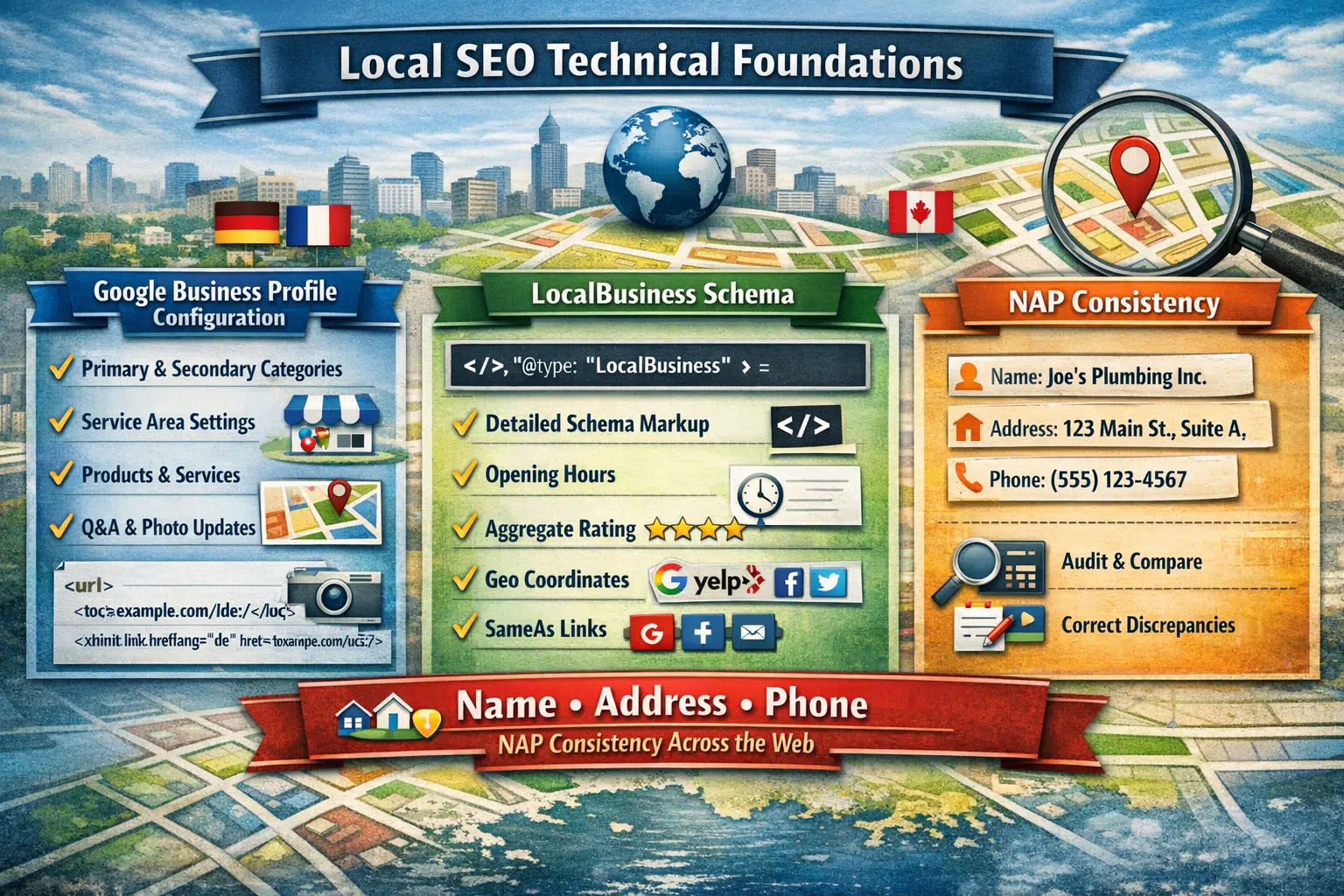
Local SEO is often presented as a content and citation driven service, but the most reliable ranking factors are actually technical. If the technical foundation is not configured correctly, performance in Google Maps, the Local Pack, and local organic results will be limited.
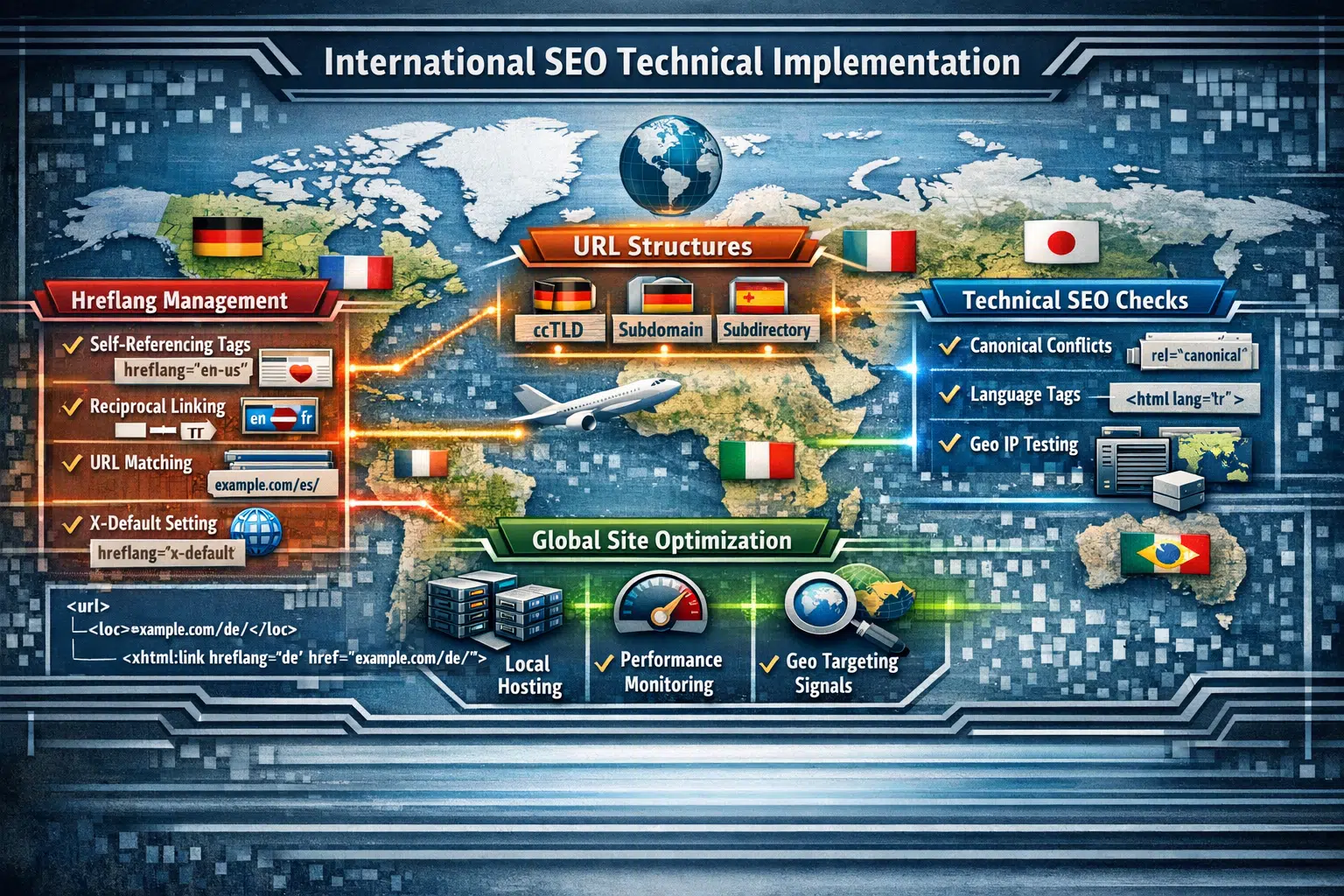
Technical International SEO is among the most difficult and complicated aspects of SEO — and one of the most often implemented incorrectly. Just hreflang tag errors are enough to cause a major part of all failures in international organic traffic generation.
The world of searches in 2025 is not limited to any single avenue. If a customer poses a question, the answer could come from AI Overviews powered by Google's AI algorithms, ChatGPT Search, Perplexity, or Microsoft Copilot — they all have unique technical designs and separate source selection criteria.
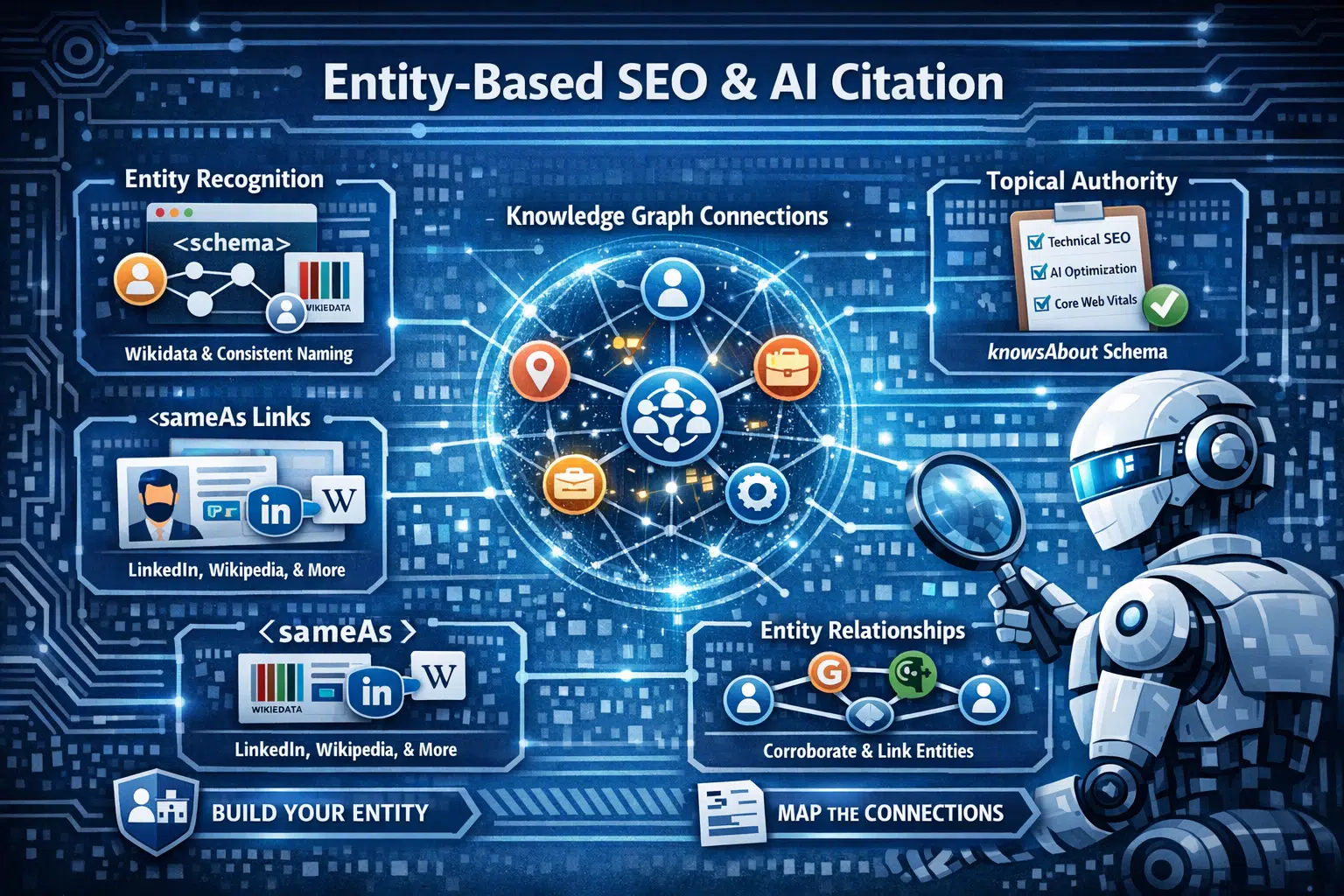
The transition from keyword-oriented to entity-oriented search is not something that recently happened — Google's Knowledge Graph has been based on entity connections since 2012. The novelty lies in the extent to which entity signals now determine AI citation eligibility.
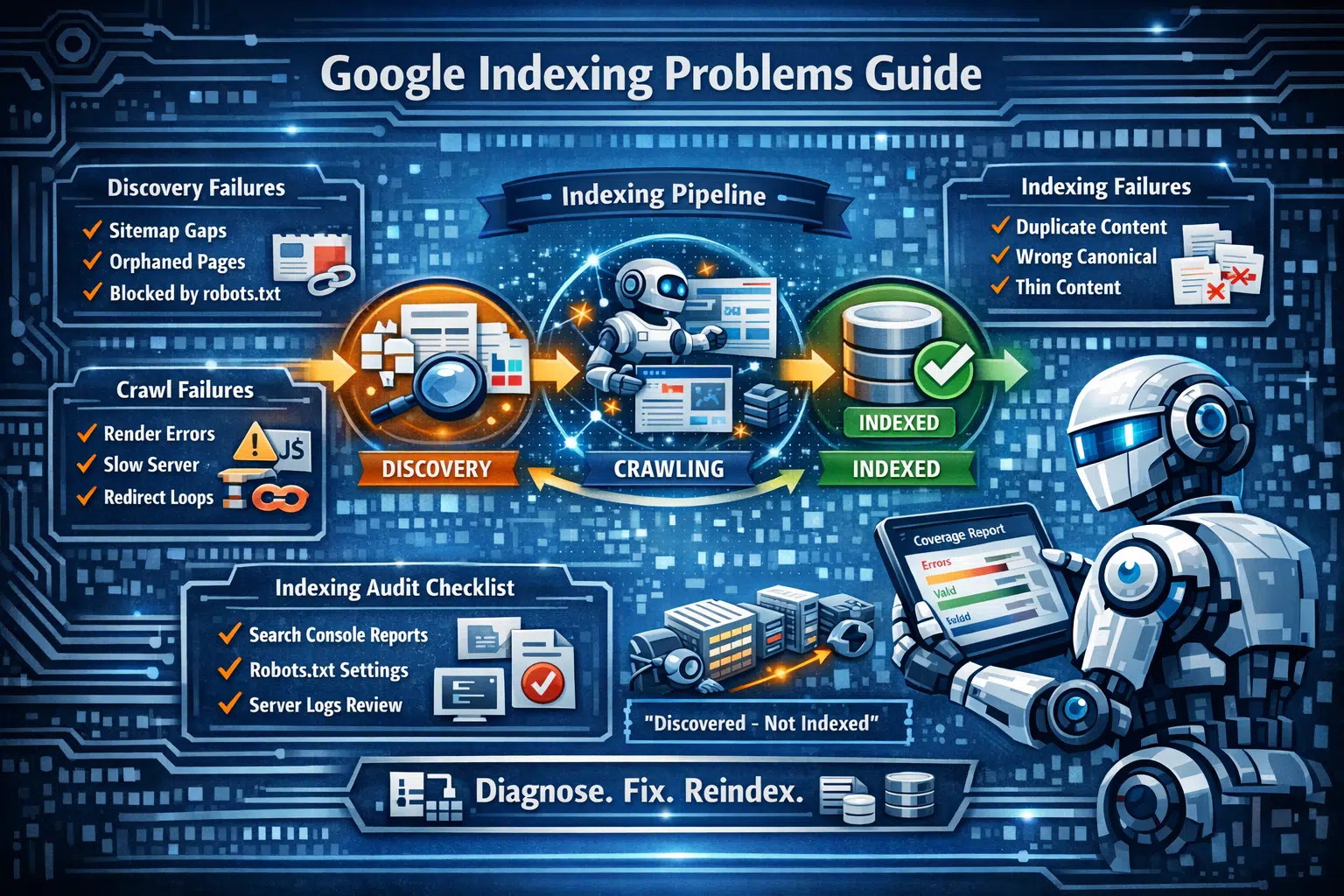
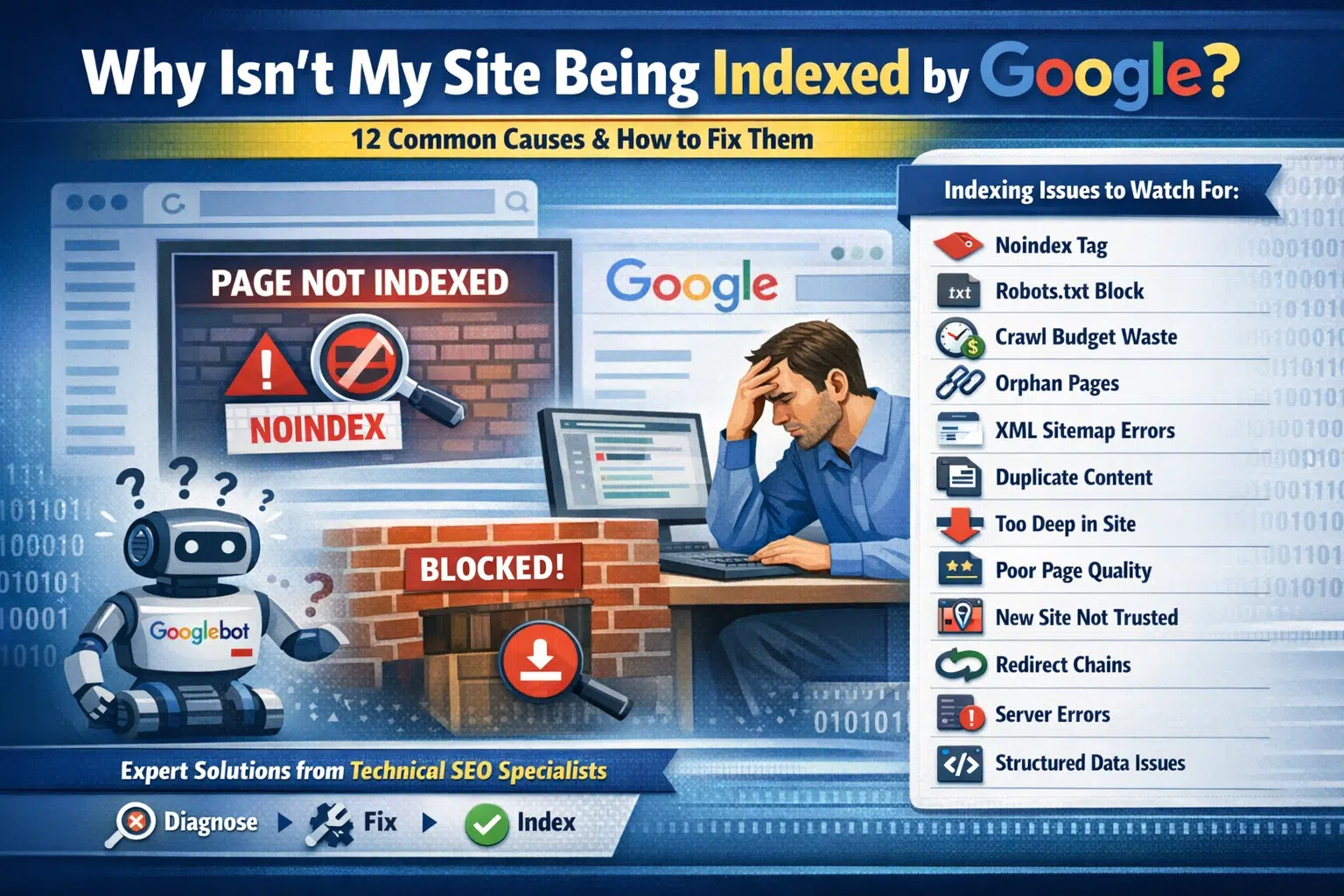
Indexation issues are probably the class of technical SEO problem that creates the most distress among clients. It's possible for a site to be functioning fine in a browser yet Google having indexed no part of its monetizable content.
Being referenced by AI tools in response to questions such as on Google AI Overviews, ChatGPT Search, or Perplexity is not just a matter of having good content. It's a technical SEO issue — websites that get referenced in AI responses share common characteristics that make them more likely to be easily interpreted.
Google AI Overviews now appear at the top of nearly half of all Google searches. The websites cited inside those AI Overviews are capturing clicks, brand exposure, and authority signals that their competitors simply cannot access through traditional SEO.
Few things are more frustrating than publishing content and watching it disappear into a void: no rankings, no traffic, no sign that Google has visited at all. No amount of content creation, link building, or paid advertising will compensate for that fundamental visibility gap.
The way people search for information is changing faster than most businesses realize. ChatGPT now handles over a billion searches per week, and the websites it cites as sources are capturing enormous amounts of referral traffic — while the ones it ignores are effectively invisible.
Two clients in the same industry with the same budget face different goals: one wants to dominate their city, the other to expand across five countries. Understanding Local vs International SEO is key, because the strategy that drives success locally will underperform on a global scale.
Every agency has experienced it: a client site with strong content, a solid backlink profile, and a well-funded paid strategy, yet rankings stay flat and organic traffic refuses to move. Often, the problem is the technical foundation it's sitting on.
A site publishes strong new content, weeks pass, and the pages still haven't appeared in search results. The content team assumes the strategy isn't working. The SEO team investigates. The real culprit is almost always the same: Google visited the site, spent its crawl budget on low-value pages, and never reached the new ones.
Most technical SEO audits from agencies are never fully implemented. The reports sit in a folder, clients shift to other priorities, and months later, rankings remain stagnant. The gap between audit recommendations and actual execution is the main reason SEO contracts fail.
The rules of search visibility changed faster between 2024 and 2026 than in any previous two-year period. Agencies that adapted early didn't just protect client traffic — they captured ground that slower competitors left behind.
Most agencies treat the XML sitemap as a one-time setup task. But an unoptimized sitemap doesn't just miss an opportunity — it actively misdirects search engines, wastes crawl budget on pages that don't matter, and slows down indexing for pages that do.
Behind every high-performing client website is one early decision: treat web design and SEO as a single unified strategy, not separate disciplines that meet at the end of the project.
Behind every underperforming client campaign is usually a technical problem that no amount of great content can fix. Crawl errors block visibility, duplicate content confuses search engines, and slow load times drive users away before they even engage.
Book a free 30-minute partner strategy call. We'll walk through your client roster and show you exactly how Technical SEO, Structured Data, and AI Optimization can be added to your service menu — white-label, under your brand.